
Townsville students step into the future with Future Fuels Innovation Challenge
North Queensland’s next generation of innovators stepped into the spotlight on 19 March as students present their ideas at the Future Fuels Innovation Challenge, transforming big ideas about clean energy into practical solutions.
The challenge, led by Townsville Enterprise through the North Queensland Hydrogen Consortium, brought together students from across the region to explore how emerging industries such as hydrogen, renewable energy and sustainable fuels could help shape the future of North Queensland.
Townsville Enterprise Director Corporate Services Tracey Holmes said the initiative provided students with a unique opportunity to explore the industries set to drive the region’s future.
“North Queensland is fast becoming a powerhouse for renewable energy and future fuels, and initiatives like this ensure our young people are part of that story,” Ms Holmes said.
“Earlier in the week, some students had the opportunity to attend the Secure the Future: Green Energy Forum, where they heard directly from global leaders shaping the energy transition.
“The Future Fuels Innovation Challenge gave students the chance to take that inspiration and apply it in a practical way.
“We’ve heard from today’s leaders, and now we’re seeing the ideas coming from the innovators of tomorrow.”
Read a summary of the students’ work below:
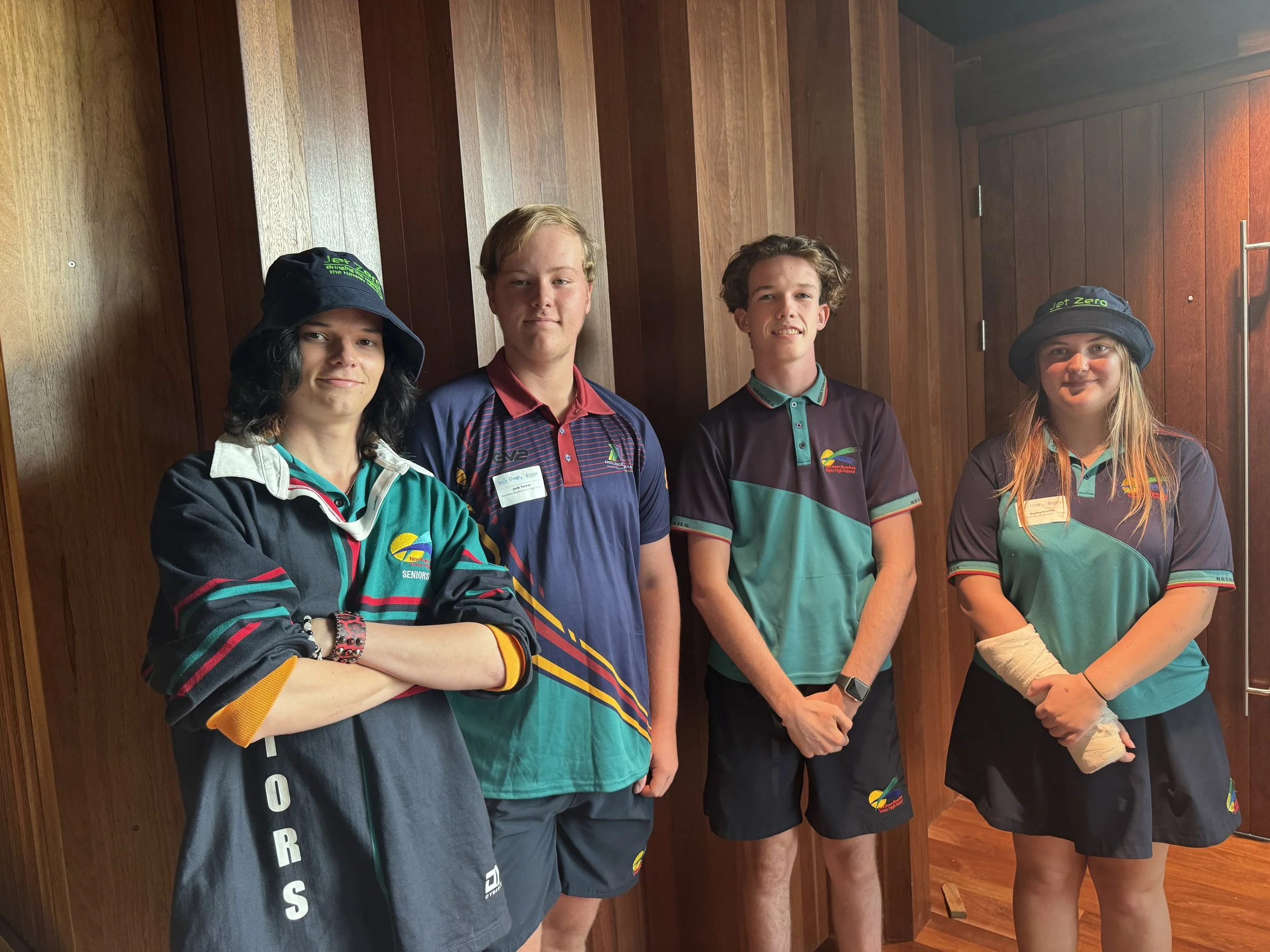
Northern Beaches State High School
The team decided the claim that within the next 10 years it is not reasonable to say we can create enough SAF fuel for the domestic Australian aviation programs. As we have limited production infrastructure, as well as limited land availability and high production costs without investors, it is too difficult to implement. Trees take years to grow, factories take time to build, and employee training also takes time.
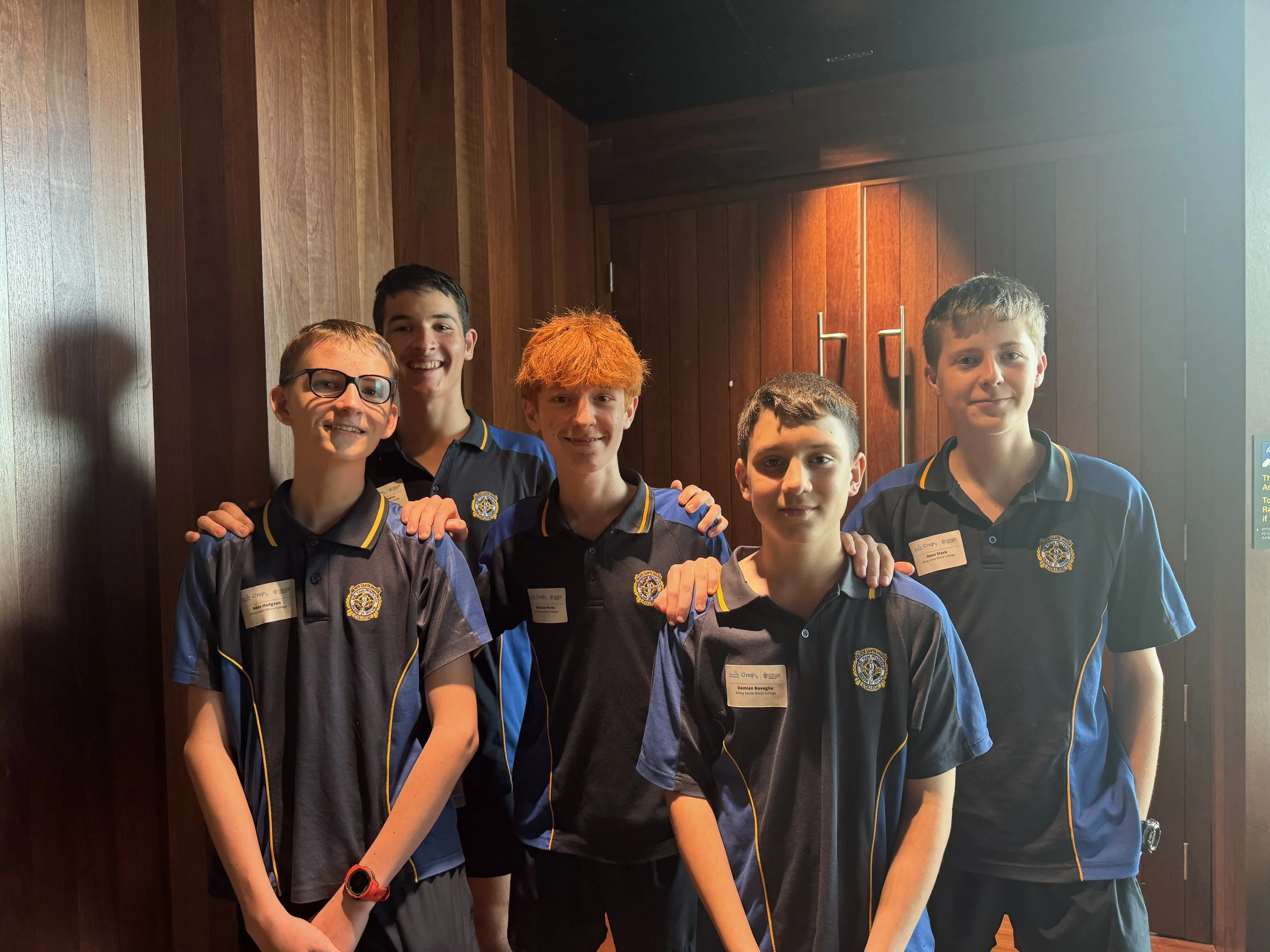
Gilroy Santa Maria College
The team disagreed with the claim that mass production of green hydrogen does not significantly impact water resources and the environment. They argued that current technology and funding barriers hinder sustainability. They proposed that future technological advancements and government support, coupled with increased public awareness could make green hydrogen production more sustainable. The high costs and current unfeasibility were highlighted, emphasising the need for additional funding and research.
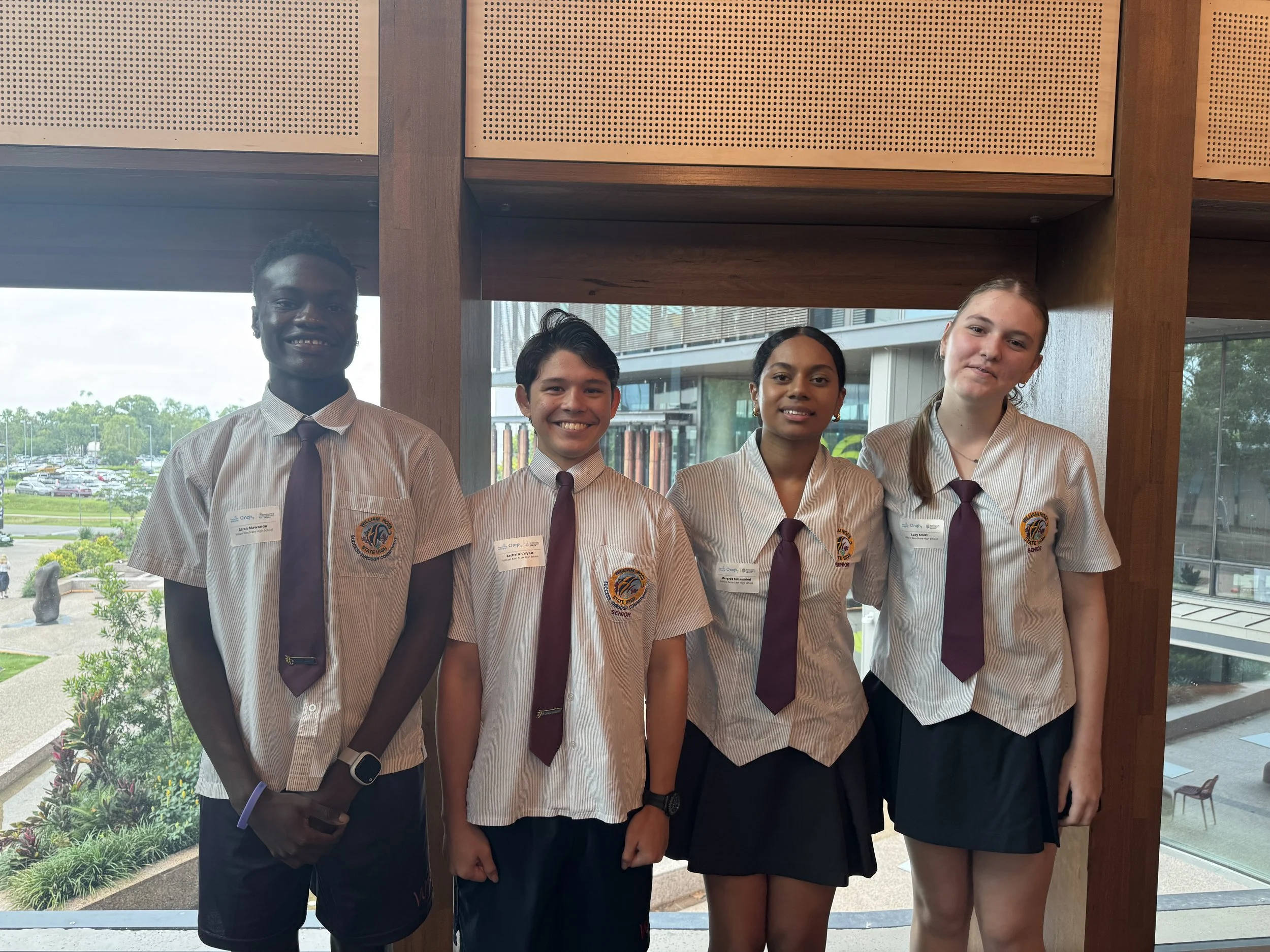
William Ross State High School
The team disproved the claim that Australia can produce enough SAF to sustain domestic jet fuel needs within 20 years. Key issues included the slow growth of feedstock jatropha, which takes 5-8 years to mature, and the small production scale in Australia (10 hectares), compared to the Burdekin (3,000 hectares). The high costs of SAF production may deter investment. To achieve a 100% SAD blend, aircrafts need modifications, which take up to 20 years to manufacture. Currently, aircrafts can only use a 50% SAF blend due to its lower sulphur and carbon emissions.
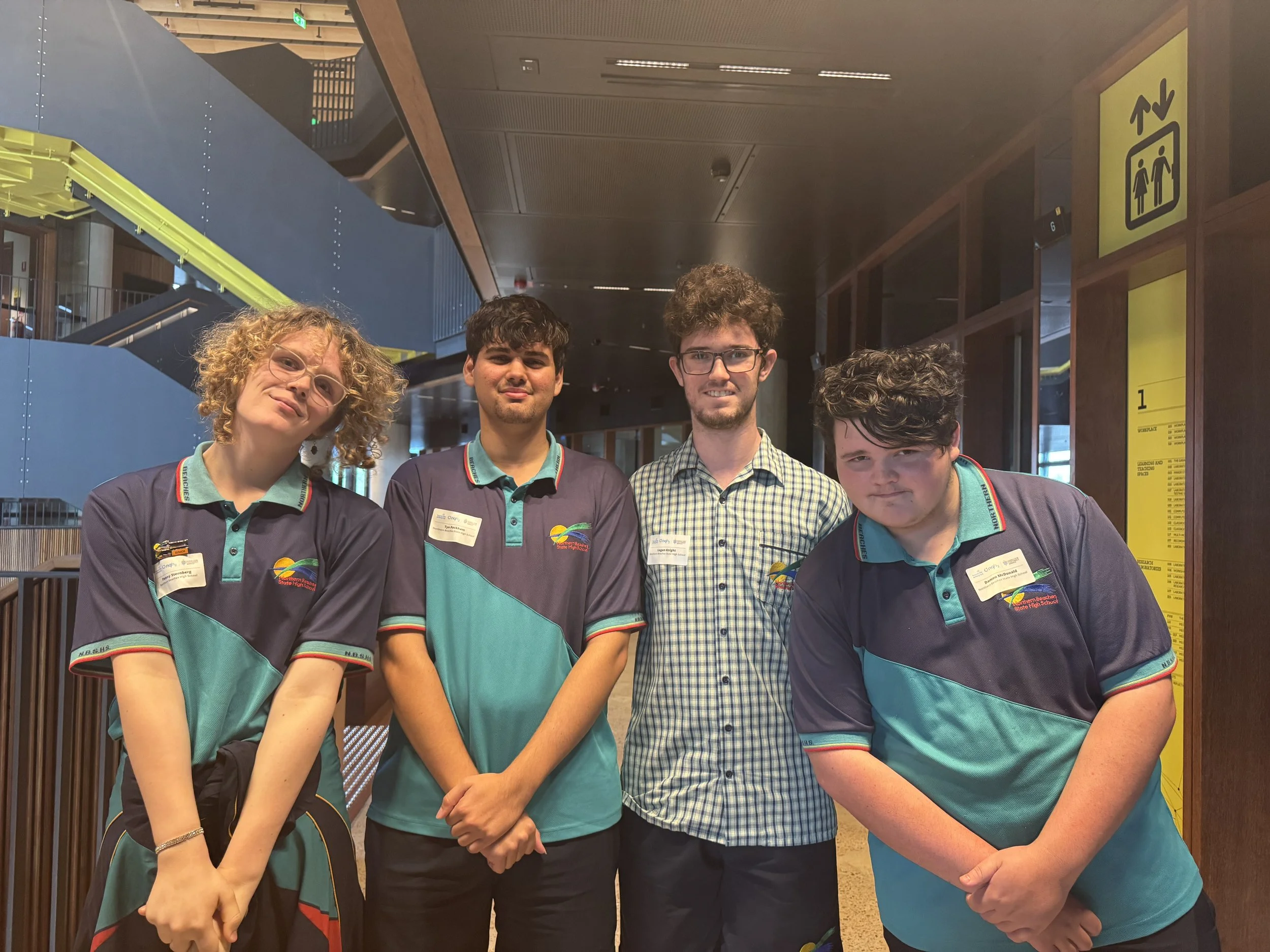
Northern Beaches State High School
The claim that there are differences in safety measures for hydrogen and SAF compared to traditional jet fuel is true. Hydrogen is more prone to leaks and explosions, necessitating the specific measures to prevent leaks. In contrast, SAF fuel is similar to traditional jet fuel but lacks sulphur and aromatics, requiring blending with traditional fuel for compatibility with older aircrafts. These differences support the claim that safety measures for hydrogen and SAF differ from those for traditional jet fuel.
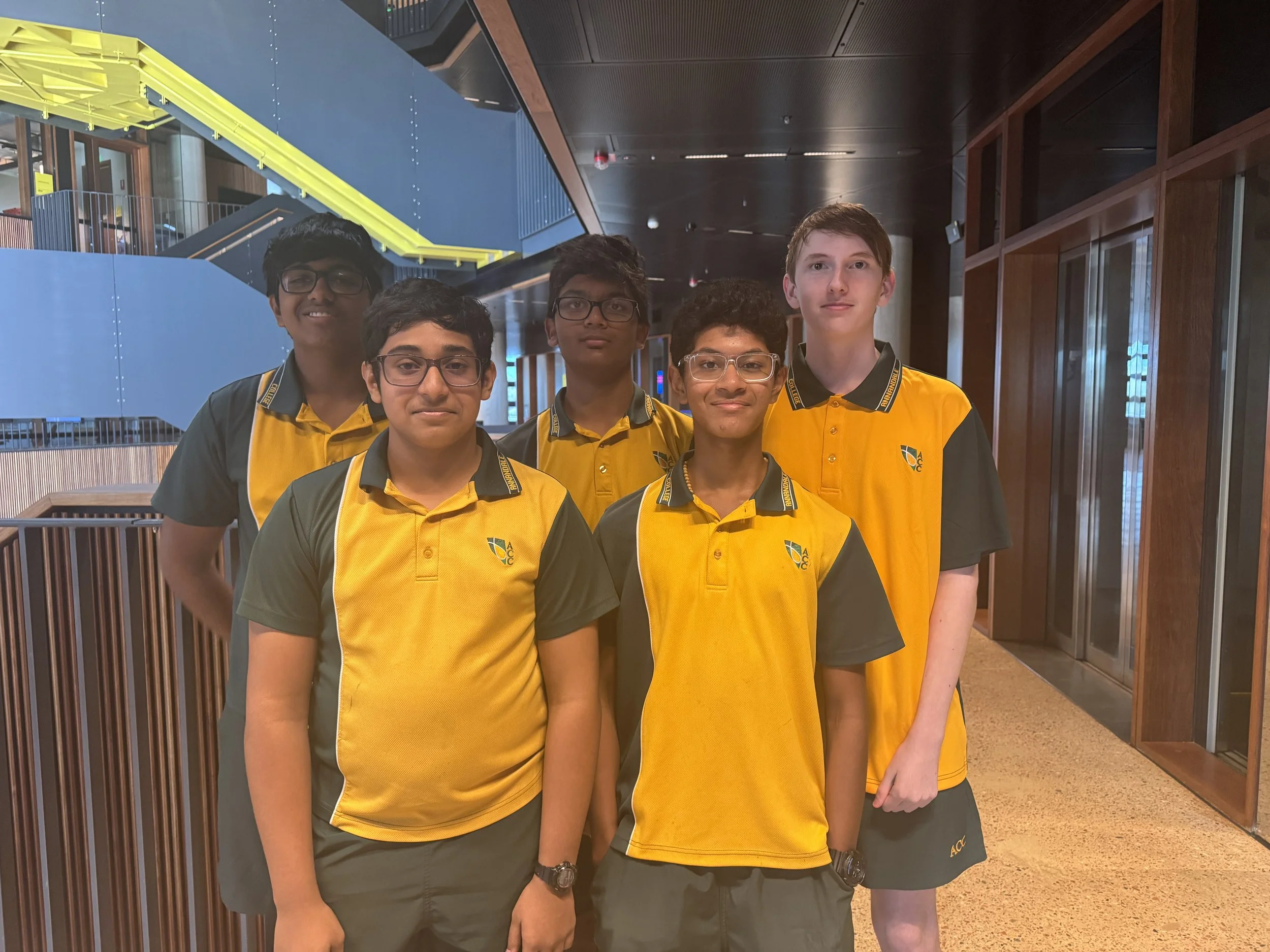
Annandale Christian College
The claim, renewable energy, especially solar and wind can enable a more sustainable future is true. The team created a graph that showed hydro-electric was most used in 2020 but in 2026 solar and wind production increased significantly. They also raised concerns about aviation fuel’s cost and carbon emissions and presented SAF as a pricier but more eco-friendly alternative that reduces emissions.

Annandale Christian College
The conversation focused on the safety and practicality of hydrogen and SAF as energy storage options. The team argued that hydrogen is more dangerous due to its combustibility, small molecule size and need for high-pressure storage. They noted that hydrogen is easier to obtain but more hazardous, and also noted the logistics of fuel storage being difficult. They concluded that while SAF is similar to jet fuel and has some health risks, it is more sustainable than hydrogen, though harder to acquire.
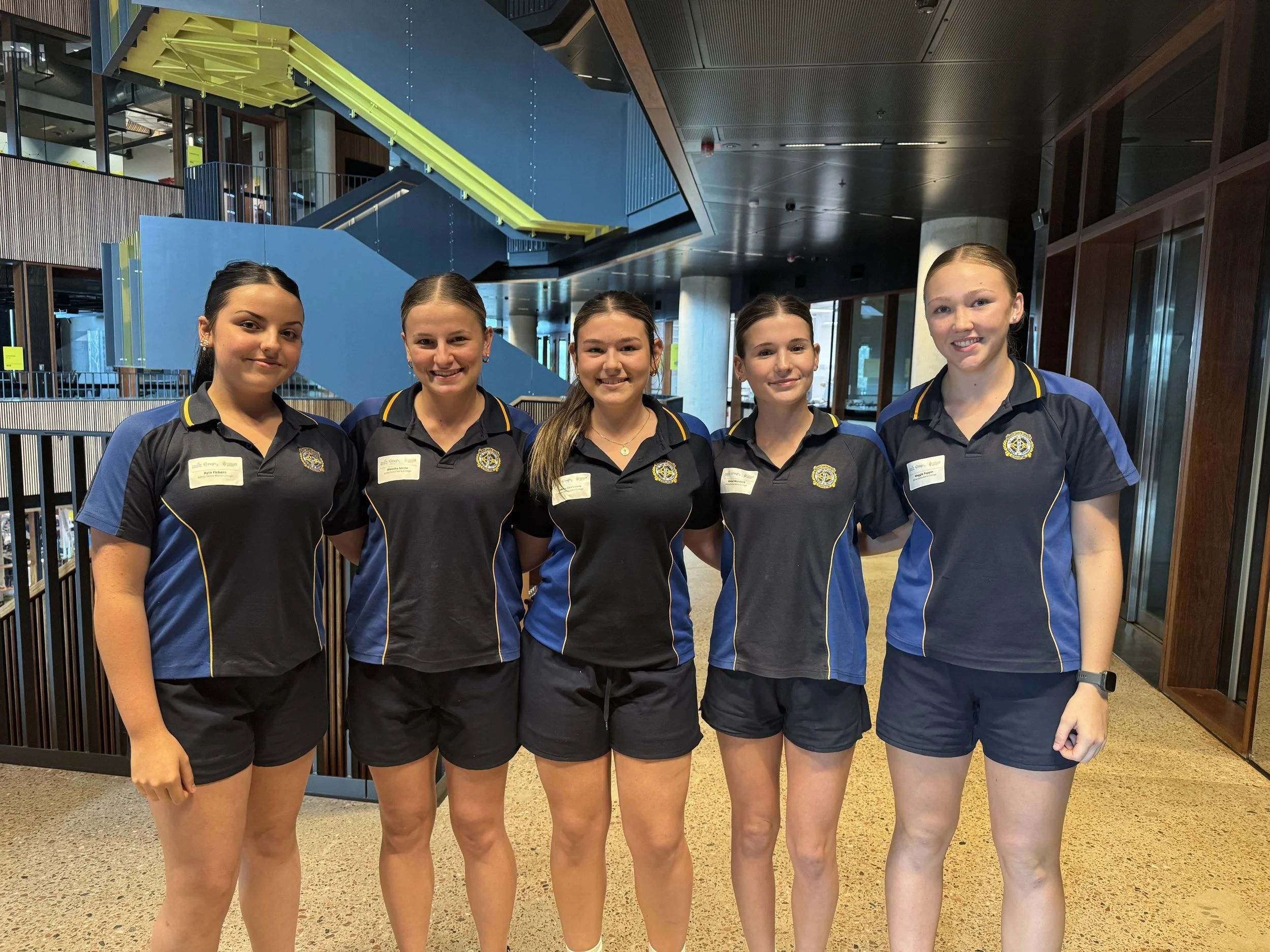
Gilroy Santa Maria College
The team focused on the aviation industry’s readiness to adopt SAF as a fuel source for commercial flights. The team believed it would take between five and ten years for this to become mainstream, influenced by economic factors and job opportunities. They mentioned the potential for infrastructure and general benefits, while also noting that while some passengers are willing to pay extra, price-sensitive groups like families might opt for cheaper options. Currently, only two airlines, QANTAS and Virgin, are trialling SAF as fuel, limited by resources. The team also highlighted government incentives and support, such as tax credits in the U.S that could aid in this transition.